
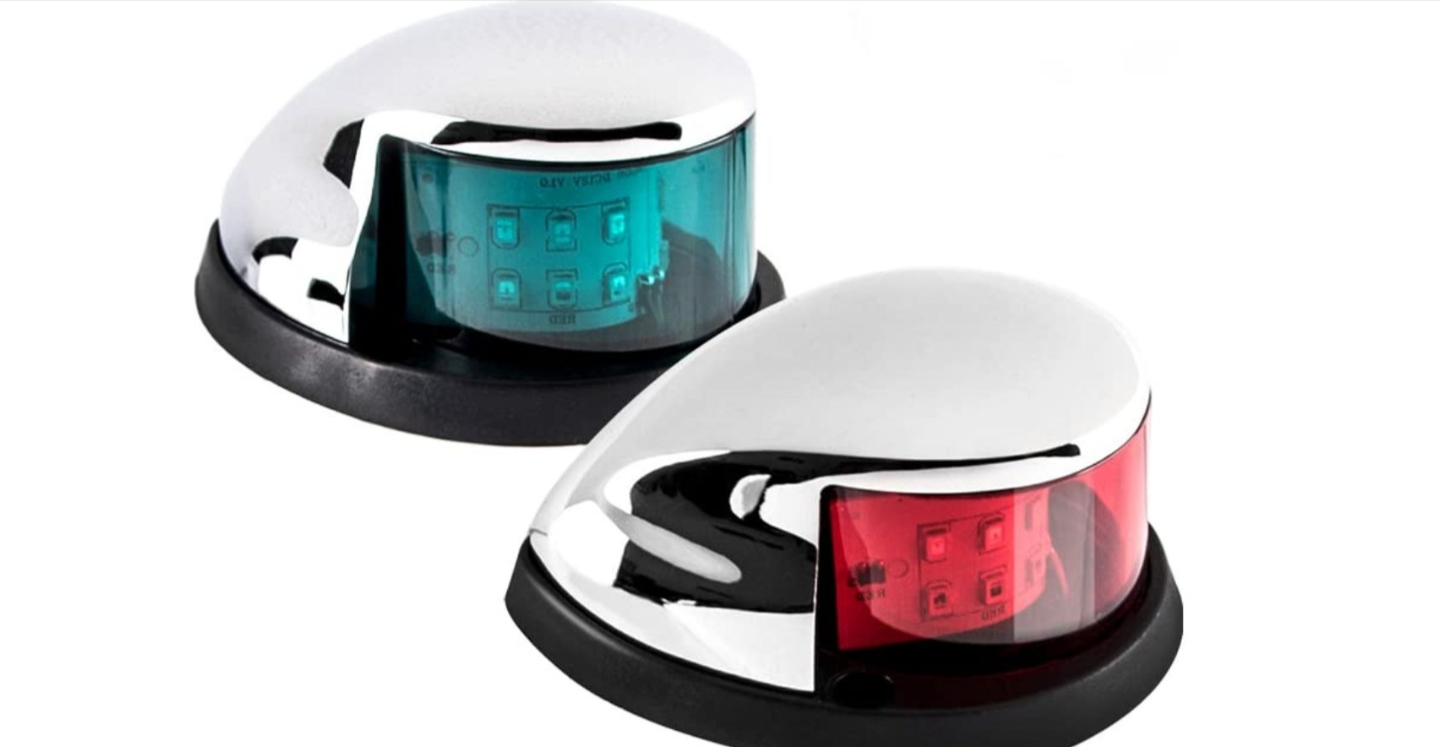
Navigation lights represent a new evolution in modern marine navigation, where clear visibility is crucial for the safety of vessels at sea. With the rise of marine LED navigation lights, it is taking the place of traditional lights, offering the best performance and environmental friendliness.
This article will demonstrate how this technology is leading a fresh revolution in marine navigation.
Benefits of LED Navigation Lights
Effectiveness and Eco-Friendliness
The efficiency and environmental friendliness of LED navigation lights are significantly superior to those of traditional light sources. They may produce brighter light with the same amount of electrical energy since they have a higher lumen output in addition to using less energy. Additionally, LED lights’ extended lifespan lowers maintenance expenses by reducing the frequency of replacements. Because of these features, LED navigation lights are a cost-effective and ecologically responsible option for marine navigation.
Long Lifespan and Minimal Energy Usage
One of LED lights’ most prominent benefits is their extended lifespan. The navigation lights of a vessel may only need to be replaced once or never during its lifetime because LED lights have a service life of 50,000 hours or more, which is longer than that of conventional incandescent lights. Its extended lifespan makes it more environmentally friendly by lowering replacement waste and maintenance expenses.
Technical Details
The key to the functionality of LED navigation lights is their technical parameters. LED navigation lights are required by the International Regulations for Preventing Collisions at Sea (COLREGs) to have enough light output and range to guarantee visibility in a variety of lighting and weather conditions.
Light Output and Range
The distribution and range of light intensity from LED light sources must adhere to strict specifications to ensure that vessels can be promptly identified at night or in low visibility conditions.
LED light output and range are dependent on a number of variables, such as light source power, beam angle, optical design, and environmental conditions.
Type of Light Source
Higher energy efficiency and longer service life are two benefits of using LEDs as a light source over traditional choices like incandescent bulbs. LED lights may provide more light with less electrical energy since their lumen efficiency is usually many times higher than that of incandescent lights. Furthermore, LED lights respond more quickly, which is a significant benefit for navigation light systems that need to react quickly.
Needs for Power and Battery Life
LED light sources’ low energy consumption makes it possible for them to run on batteries, which is essential for keeping navigation lights operational in an emergency. LED lights have more than 70% lower energy usage than conventional light sources, which greatly prolongs battery life.
Durability and Waterproof Rating
LED lights’ longevity and waterproof certification are crucial design considerations that guarantee their long-term operation in challenging marine conditions. LED lights are often made of sturdy materials that are resistant to vibration and impact, and they perform well in terms of waterproofing to stop erosion from salt spray and moisture.
Functions and Applications
Basic Navigation Light Functions
LED navigation lights’ primary purpose is to show a vessel’s position, movement, and category—information that is essential for preventing collisions at sea. These lights use various colours and beam patterns to communicate the status and objectives of the vessel.
LED Navigation Light Applications
These lights’ longer-lasting and more dependable illumination in a variety of boats and settings is made possible by LED technology, which improves navigation safety. LED navigation lights can supply the necessary illumination to guarantee that vessels are identified in time during the night or in low visibility situations, regardless of the kind of vessel—large cargo ships, yachts, or fishing boats.